Bail Hearings & Reviews
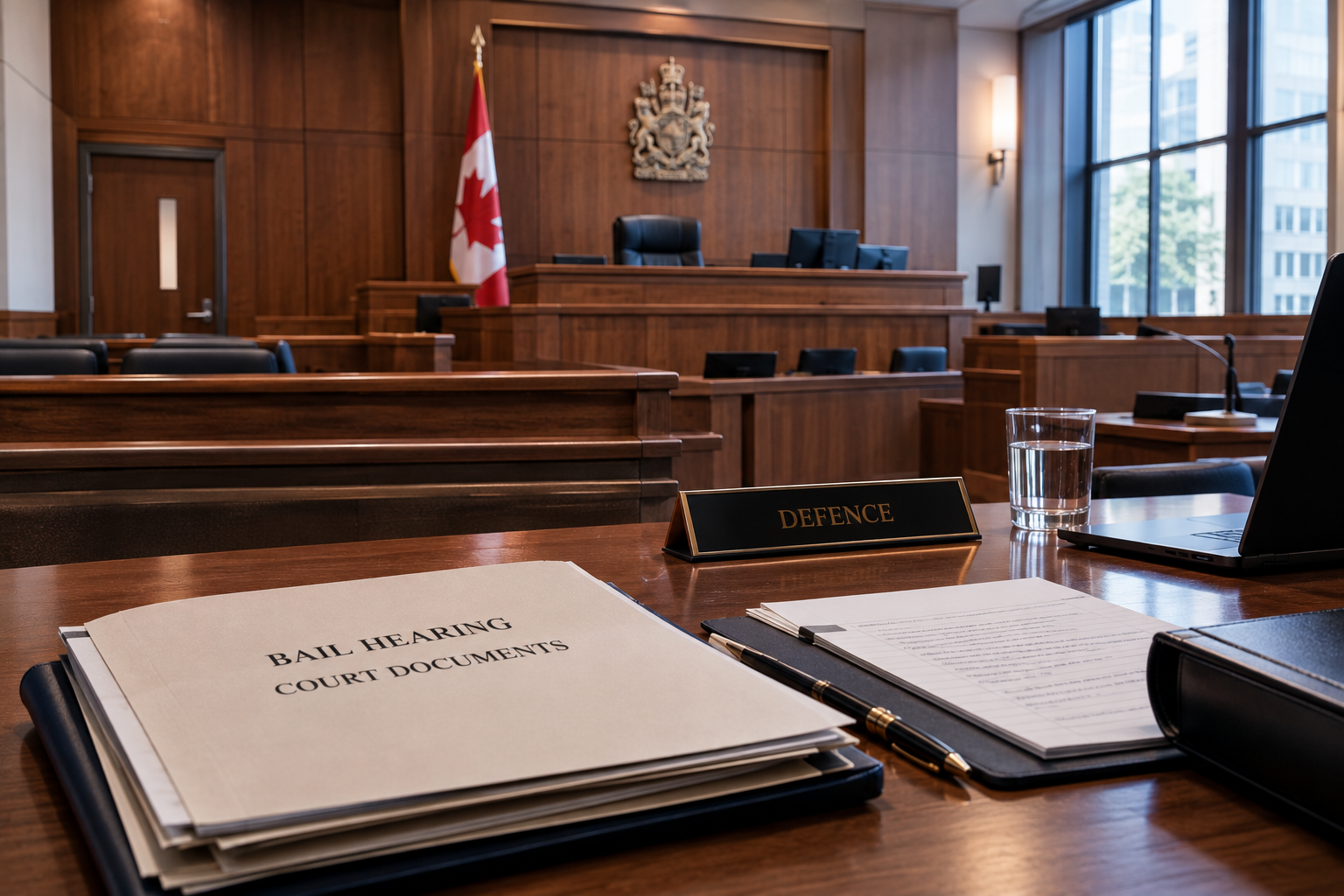
Bail Hearing and Bail Review Lawyer Serving Toronto and the Greater Toronto Area
A bail hearing determines whether an accused person will be detained or released while the case proceeds. A focused and realistic release plan can affect liberty, housing, employment, family contact, treatment, and the ability to prepare the defence outside custody.
Bail determines whether an accused person will be detained or released while the case proceeds. Canadian law begins with a presumption of reasonable bail, subject to statutory exceptions and the evidence presented. The court may consider attendance in court, public protection and confidence in the administration of justice.
Release conditions should be necessary, reasonable, and connected to the alleged risks. Gill Defence Law can develop and present a focused release plan, identify appropriate sureties where required, address residence, supervision, employment, treatment, communication, technology, weapons, and transportation, and challenge unnecessary or unworkable conditions. If bail is denied or circumstances materially change, counsel can advise on a bail review and on the record, transcript, legal error, or change in circumstances required for that process.
Family members should contact counsel promptly and provide accurate information about the proposed address, occupants, work schedule, treatment options, transportation, and any potential surety. A surety should understand that the role is serious and may involve supervision, reporting breaches, and financial consequences. Never coach evidence or promise a plan that cannot realistically be followed.
How Gill Defence Law Can Help
Gill Defence Law can explain the allegation and procedure, obtain and organize disclosure, review the evidence, identify factual and legal issues, address urgent conditions and deadlines, communicate with the prosecution where appropriate, and prepare for applications, resolution discussions, hearings, or trial. The strategy depends on the evidence and applicable law; no result can be promised before the file is reviewed.
Common Issues and Evidence Reviewed
- Primary, secondary, and tertiary grounds for detention
- The ladder principle and least onerous appropriate form of release
- Reverse-onus situations
- Surety suitability and enforceable release plans
- No-contact, residence, curfew, reporting, weapons, and electronic-device conditions
- Consent releases, contested hearings, variations, detention orders, and bail reviews
Preparing a Workable Release Plan
A release plan may address residence, occupants, supervision, employment, treatment, transportation, communication, devices, weapons, reporting, and other alleged risks. The plan must be lawful, specific, and capable of being followed.
Sureties and the Ladder Principle
A surety is not required in every case. The court must consider less onerous forms of release first, subject to the Criminal Code and the evidence. Where a surety is proposed, that person should understand the supervision role, reporting duties, and possible financial consequences.
Bail Reviews Variations and Alleged Breaches
If bail is denied, counsel can obtain the record and assess whether a review may be available based on legal error, a material change, or another recognized basis. Existing conditions remain binding until formally varied. An alleged breach can lead to arrest, a new charge, cancellation of release, and greater difficulty obtaining bail.
What to Do Now
Protect your safety, attend court as directed, and follow every release, licence, contact, residence, weapons, device, or reporting condition exactly. If a condition is unclear or unworkable, obtain legal advice before acting.
Why Choose Gill Defence Law
The firm uses a focused and personal approach. Clients receive direct explanations of the allegation and options, a careful review of the available evidence, practical advice about immediate obligations, and prepared representation suited to the stage of the case.
- Direct communication and clear explanations
- Detailed review of disclosure and missing evidence
- Attention to release terms, deadlines, court dates, and evidence preservation
- Preparation for negotiations, applications, hearings, and trials where required
- Advice that considers both the court case and important personal or professional consequences
Areas Served
Gill Defence Law assists with bail hearings, consent releases, variations, and bail reviews involving clients and proposed sureties in Toronto, Brampton, Mississauga, Caledon, Vaughan, Newmarket, Richmond Hill, Markham, Milton, Oakville, and other Ontario communities, depending on the court and circumstances.
Contact Gill Defence Law
If you are facing bail hearing and reviews allegations, call Gill Defence Law at +1 416-779-7500 to discuss the charge, your documents, the available evidence, and the next court date. Early advice can help preserve evidence, prevent avoidable breaches, and identify issues requiring immediate attention.