Theft Charges
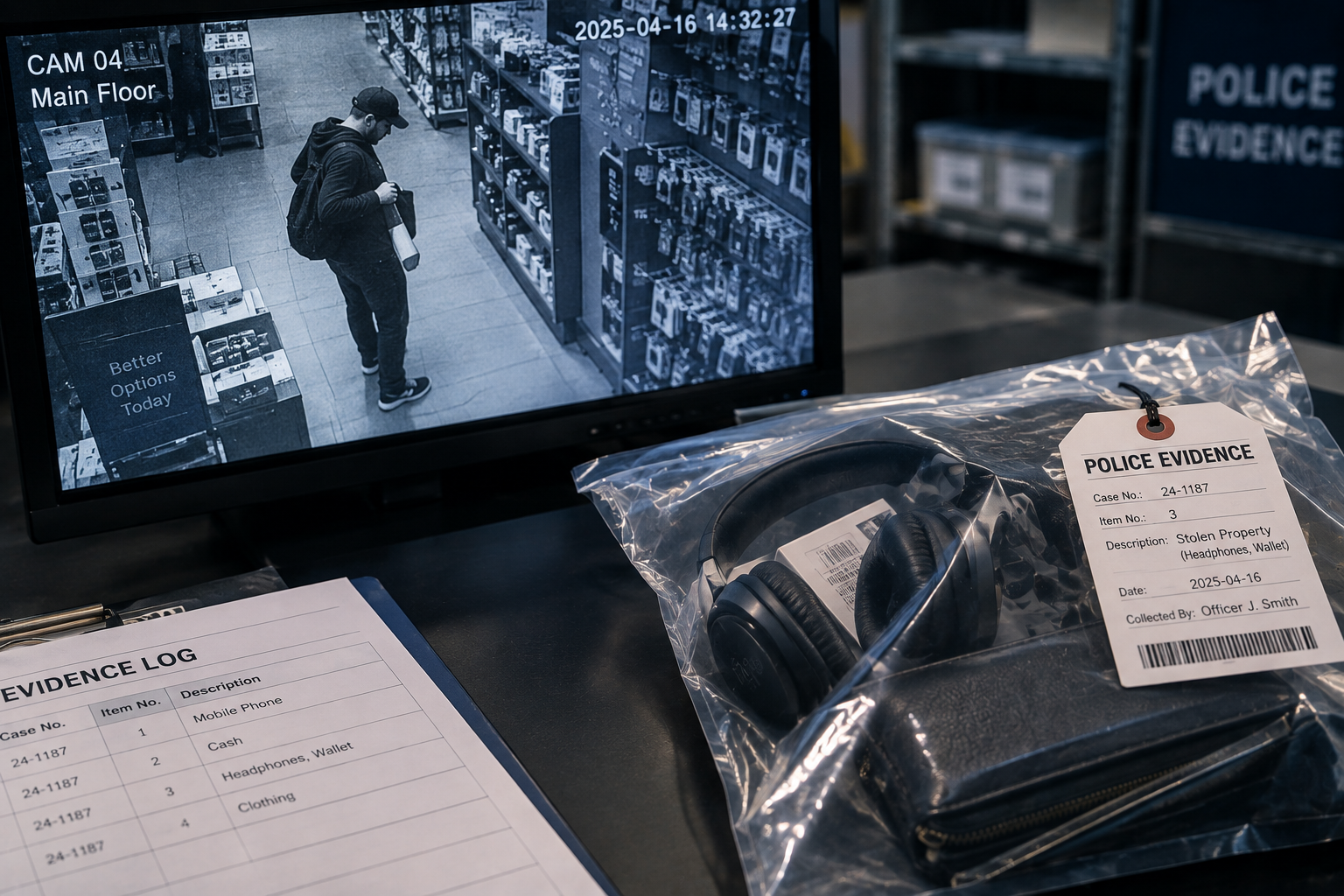
Theft Charges Lawyer Serving Vaughan, York Region, Toronto and the GTA
Theft allegations can involve shoplifting, employee property, vehicles, packages, services, data-related property, or possession of property obtained by crime. The value and nature of the property can affect the charge, procedure, and potential consequences.
Theft generally involves fraudulently and without colour of right taking or converting property with intent to deprive the owner, temporarily or absolutely, or to deal with it in a way that defeats the owner's interest. Common allegations include shoplifting, employee theft, vehicle theft, package theft, theft of services or data-related property issues, and possession of property obtained by crime. The value and nature of the property can affect the charge and procedure.
Gill Defence Law can examine surveillance, receipts, inventory systems, access records, employment duties, ownership, identification, statements, recovered property, digital records, and evidence of intent. Potential issues include honest mistake, colour of right, lack of intent to deprive, identity, consent or authority, unreliable inventory evidence, continuity, search and seizure, and whether the Crown can prove value. Do not return property secretly, contact store security or an employer to explain, sign a civil demand, or make a repayment without advice.
Preserve receipts, work policies, schedules, messages, account records, and proof of ownership or authorization. Comply with non-attendance conditions and tell counsel promptly about immigration, employment, licensing, or professional concerns.
How Gill Defence Law Can Help
Gill Defence Law can explain the allegation and procedure, obtain and organize disclosure, review the evidence, identify factual and legal issues, address urgent conditions and deadlines, communicate with the prosecution where appropriate, and prepare for applications, resolution discussions, hearings, or trial. The strategy depends on the evidence and applicable law; no result can be promised before the file is reviewed.
Common Issues and Evidence Reviewed
- Taking or conversion, ownership, and property capable of being stolen
- Intent to deprive and colour of right
- Identity, surveillance, inventory, receipts, and employee access
- Value under or over the statutory threshold
- Possession of property obtained by crime
- Diversion, restitution, civil demands, sentencing, and collateral consequences
Intent Ownership Authority and Colour of Right
Potential issues include honest mistake, lack of intent to deprive, ownership, consent, employment authority, customary practice, and an honestly held belief in a legal right. The available defence depends on evidence, not the label placed on the incident.
Surveillance Inventory Receipts and Access Records
Counsel may review video, receipts, point-of-sale records, inventory systems, schedules, policies, account logs, ownership records, recovered property, witness evidence, statements, and search or seizure issues.
Diversion Restitution and Civil Demands
Some lower-level matters may be considered for diversion or another resolution, but availability is discretionary. Do not secretly return property, contact store security or an employer to explain, sign a civil demand, or make repayment without advice about admissions and the criminal case.
What to Do Now
Protect your safety, attend court as directed, and follow every release, licence, contact, residence, weapons, device, or reporting condition exactly. If a condition is unclear or unworkable, obtain legal advice before acting.
Why Choose Gill Defence Law
The firm uses a focused and personal approach. Clients receive direct explanations of the allegation and options, a careful review of the available evidence, practical advice about immediate obligations, and prepared representation suited to the stage of the case.
- Direct communication and clear explanations
- Detailed review of disclosure and missing evidence
- Attention to release terms, deadlines, court dates, and evidence preservation
- Preparation for negotiations, applications, hearings, and trials where required
- Advice that considers both the court case and important personal or professional consequences
Areas Served
Gill Defence Law assists clients with theft allegations in Vaughan, Woodbridge, Newmarket, Richmond Hill, Markham, Aurora, Toronto, North York, Scarborough, Brampton, Mississauga, Caledon, and surrounding GTA communities.
Contact Gill Defence Law
If you are facing theft charges allegations, call Gill Defence Law at +1 416-779-7500 to discuss the charge, your documents, the available evidence, and the next court date. Early advice can help preserve evidence, prevent avoidable breaches, and identify issues requiring immediate attention.