Firearms & Weapons Offences
Firearms and Weapons Defence Lawyer Serving Mississauga, Brampton, and the GTA
Firearms and weapons allegations can involve possession, storage, handling, transportation, licensing, classification, prohibited devices, court orders, or an allegation that a weapon was connected to another offence. The precise item, location, authorization, knowledge, and control often determine the legal issues.
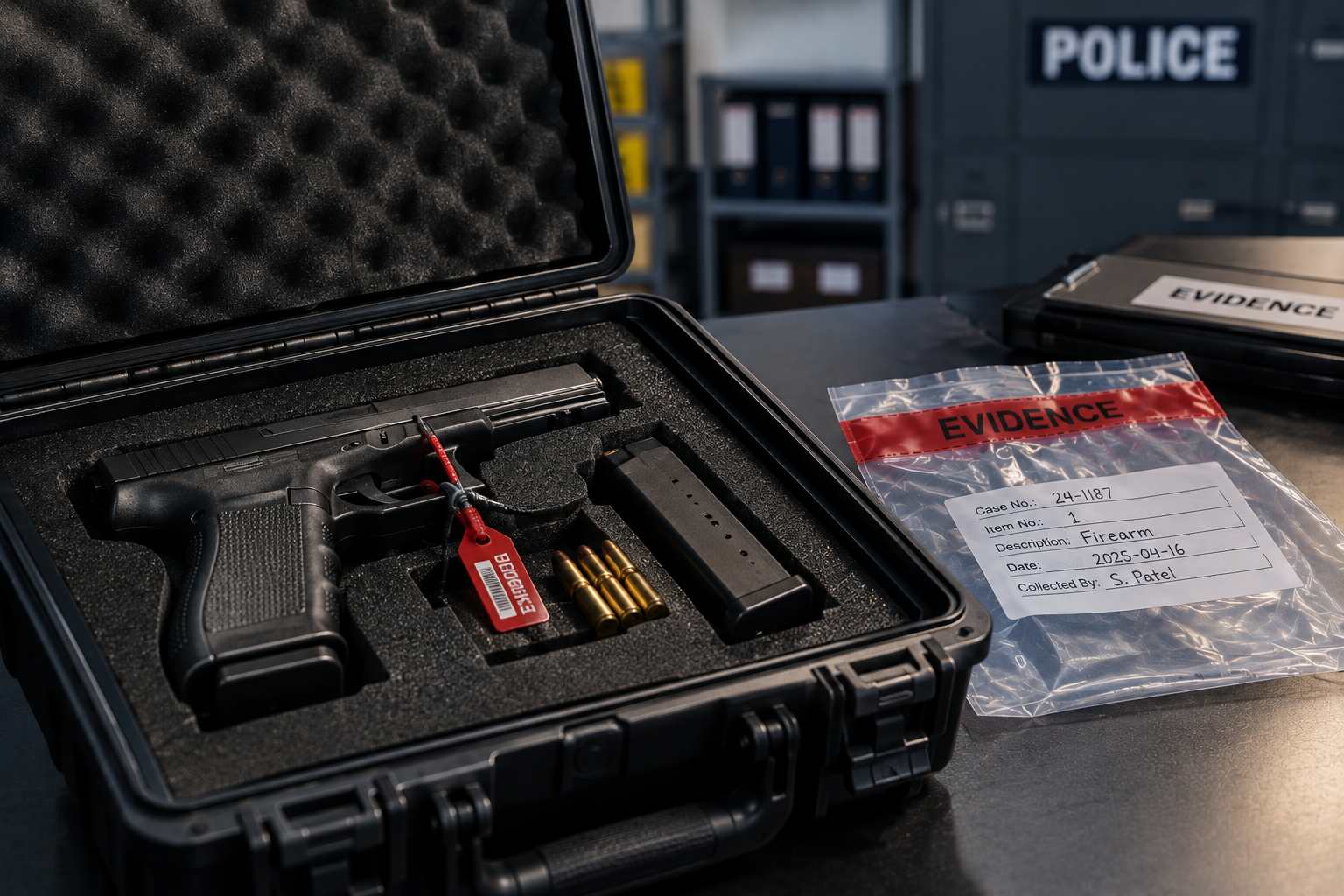
Weapons cases can involve unauthorized possession, possession contrary to an order, careless storage or handling, carrying a concealed weapon, possession for a dangerous purpose, firearm use, trafficking, importing, prohibited or restricted devices, and offences linked to another alleged crime. The applicable legal rules depend heavily on the item, its classification, licensing and registration status, location, manner of storage or transport, and the accused's knowledge and control. Gill Defence Law can review the search and seizure, warrant grounds, firearm classification, licence and registration records, storage configuration, photographs, forensic examination, DNA or fingerprints, statements, and evidence connecting the accused to the place or item.
Counsel may challenge possession, knowledge, authorization, purpose, identity, continuity, expert evidence, Charter compliance, and whether mandatory ancillary orders or enhanced sentencing provisions apply. Do not handle, move, transfer, or surrender an item without receiving instructions from counsel or the responsible authorities; an improvised response can create safety and legal risks. Follow all weapons prohibitions and release terms.
Preserve licences, registration certificates, purchase and transfer records, storage photographs, range memberships, and information identifying others with lawful access.
How Gill Defence Law Can Help
Gill Defence Law can explain the allegation and procedure, obtain and organize disclosure, review the evidence, identify factual and legal issues, address urgent conditions and deadlines, communicate with the prosecution where appropriate, and prepare for applications, resolution discussions, hearings, or trial. The strategy depends on the evidence and applicable law; no result can be promised before the file is reviewed.
Common Issues and Evidence Reviewed
- Classification of the firearm, weapon, device, ammunition, or replica
- Knowledge, possession, access, and lawful authorization
- Storage, handling, transportation, display, and transfer rules
- Possession for a dangerous purpose or contrary to an order
- Search-warrant validity and scope of seizure
- Forensic linkage, continuity, expert evidence, forfeiture, and prohibition orders
Possession Knowledge and Control
In a shared home, vehicle, or other multi-occupant setting, the Crown must prove the required connection between the accused and the item. Access, keys, ownership, statements, DNA, fingerprints, photographs, and the conduct of other occupants can be important.
Search Warrants Seizure and Charter Review
Weapons are often found during a traffic stop, warrant search, arrest, or street investigation. Counsel may examine the grounds, scope, execution, detention, access to counsel, continuity, and whether the evidence should be admitted.
Classification Function Storage and Authorization
The defence may review forensic reports, whether the item fits the charged legal definition, operability where relevant, firearm or device classification, licences and registrations, storage configuration, transport, transfer records, and any applicable prohibition order.
What to Do Now
Protect your safety, attend court as directed, and follow every release, licence, contact, residence, weapons, device, or reporting condition exactly. If a condition is unclear or unworkable, obtain legal advice before acting.
Why Choose Gill Defence Law
The firm uses a focused and personal approach. Clients receive direct explanations of the allegation and options, a careful review of the available evidence, practical advice about immediate obligations, and prepared representation suited to the stage of the case.
- Direct communication and clear explanations
- Detailed review of disclosure and missing evidence
- Attention to release terms, deadlines, court dates, and evidence preservation
- Preparation for negotiations, applications, hearings, and trials where required
- Advice that considers both the court case and important personal or professional consequences
Areas Served
Gill Defence Law represents clients facing firearms and weapons allegations in Mississauga, Brampton, Caledon, Toronto, Etobicoke, North York, Scarborough, Vaughan, Newmarket, Richmond Hill, Markham, Milton, Oakville, and surrounding communities.
Contact Gill Defence Law
If you are facing firearms and weapons offences allegations, call Gill Defence Law at +1 416-779-7500 to discuss the charge, your documents, the available evidence, and the next court date. Early advice can help preserve evidence, prevent avoidable breaches, and identify issues requiring immediate attention.