Driving Offences
Driving Offence and Traffic Ticket Lawyer Serving York, Peel and the GTA Region
Driving-related cases range from Highway Traffic Act tickets to serious Criminal Code charges. The procedure, evidence, deadlines, and potential consequences depend on whether the allegation is provincial or criminal and on the exact offence stated in the documents.
Criminal driving allegations are different from ordinary traffic tickets. They can include dangerous operation, flight from police, failure to stop after an accident, operation while prohibited, and offences causing bodily harm or death. The prosecution must prove the specific conduct and mental element required by the charged section; an accident or poor decision does not automatically establish a criminal offence.
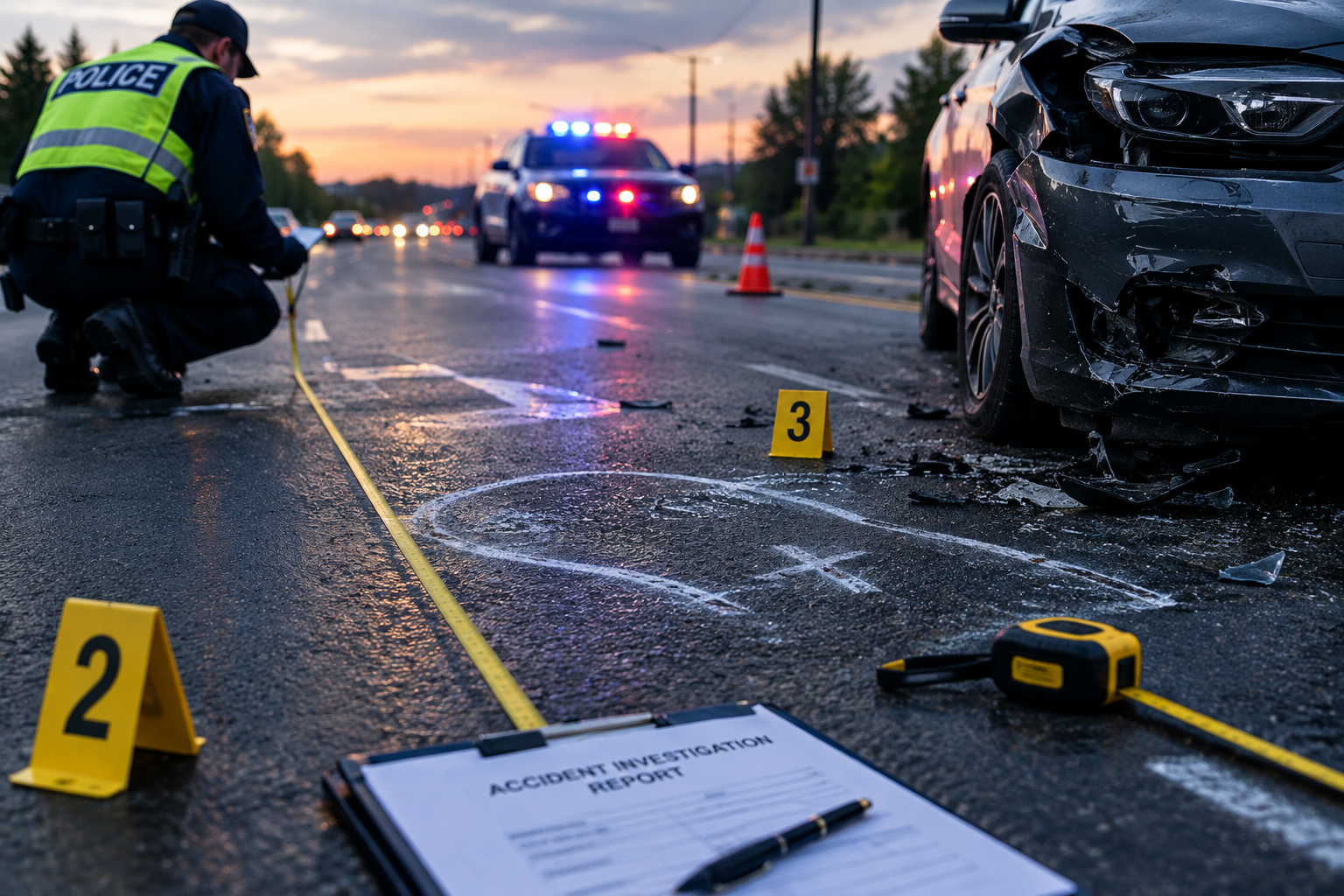
Gill Defence Law can secure and review collision-reconstruction material, event-data recorder information, dash-camera and surveillance footage, 911 calls, road and weather evidence, mechanical records, phone data, witness statements, and police observations. Counsel may challenge identification, operation, the alleged manner of driving, causation, reliability of expert evidence, admissibility of statements, and Charter compliance. Do not drive if your licence is suspended or you are prohibited.
Report an accident and comply with lawful obligations, but obtain legal advice before giving a detailed statement that could be used in a criminal investigation. Photograph the roadway and vehicle if it is safe and lawful, preserve dash-camera footage, identify witnesses, and avoid repairing or disposing of a vehicle before counsel advises about evidence preservation.
How Gill Defence Law Can Help
Gill Defence Law can explain the allegation and procedure, obtain and organize disclosure, review the evidence, identify factual and legal issues, address urgent conditions and deadlines, communicate with the prosecution where appropriate, and prepare for applications, resolution discussions, hearings, or trial. The strategy depends on the evidence and applicable law; no result can be promised before the file is reviewed.
Common Issues and Evidence Reviewed
- Dangerous operation and the marked-departure standard
- Failure to stop after an accident
- Flight from or dangerous pursuit involving police
- Operation while prohibited or while disqualified
- Causation in bodily-harm or death cases
- Driver identity, vehicle data, expert reconstruction, and admissibility of statements
Traffic Tickets and Highway Traffic Act Offences
Common matters include speeding, careless driving, distracted driving, failing to stop, disobeying signs or signals, following too closely, unsafe turns, seatbelt offences, stunt driving, and street-racing allegations. Before paying a ticket or selecting an option, review the response deadline and the consequences of a conviction.
Dangerous Driving Failure to Stop and Other Criminal Charges
Criminal driving allegations can include dangerous operation, flight from police, failure to stop after an accident, operation while prohibited, and offences causing bodily harm or death. A collision or poor decision does not automatically establish the criminal fault required by the charged section.
Evidence Demerit Points Licence and Insurance
The defence review may include the ticket or summons, officer notes, photographs, video, radar or laser records, signage, road and weather conditions, witnesses, collision reconstruction, vehicle data, phone evidence, and procedural requirements. Consequences may extend beyond a fine to points, suspension, impoundment, insurance, employment, and licence-class concerns.
Stunt Driving and Serious Provincial Offences
Stunt-driving allegations can trigger immediate roadside consequences and serious post-conviction penalties. Because the law and penalties may change, the consequences must be assessed under the legislation in force on the alleged offence date.
What to Do Now
Protect your safety, attend court as directed, and follow every release, licence, contact, residence, weapons, device, or reporting condition exactly. If a condition is unclear or unworkable, obtain legal advice before acting.
Why Choose Gill Defence Law
The firm uses a focused and personal approach. Clients receive direct explanations of the allegation and options, a careful review of the available evidence, practical advice about immediate obligations, and prepared representation suited to the stage of the case.
- Direct communication and clear explanations
- Detailed review of disclosure and missing evidence
- Attention to release terms, deadlines, court dates, and evidence preservation
- Preparation for negotiations, applications, hearings, and trials where required
- Advice that considers both the court case and important personal or professional consequences
Areas Served
Gill Defence Law serves drivers in Newmarket, Aurora, Richmond Hill, Vaughan, Woodbridge, Markham, King City, East Gwillimbury, Georgina, Whitchurch-Stouffville, Brampton, Mississauga, Caledon, Toronto, Milton, Oakville, Burlington, Georgetown, Halton Hills, and surrounding areas, depending on the proceeding and location.
Contact Gill Defence Law
If you are facing driving offences allegations, call Gill Defence Law at +1 416-779-7500 to discuss the charge, your documents, the available evidence, and the next court date. Early advice can help preserve evidence, prevent avoidable breaches, and identify issues requiring immediate attention.