Impaired Driving
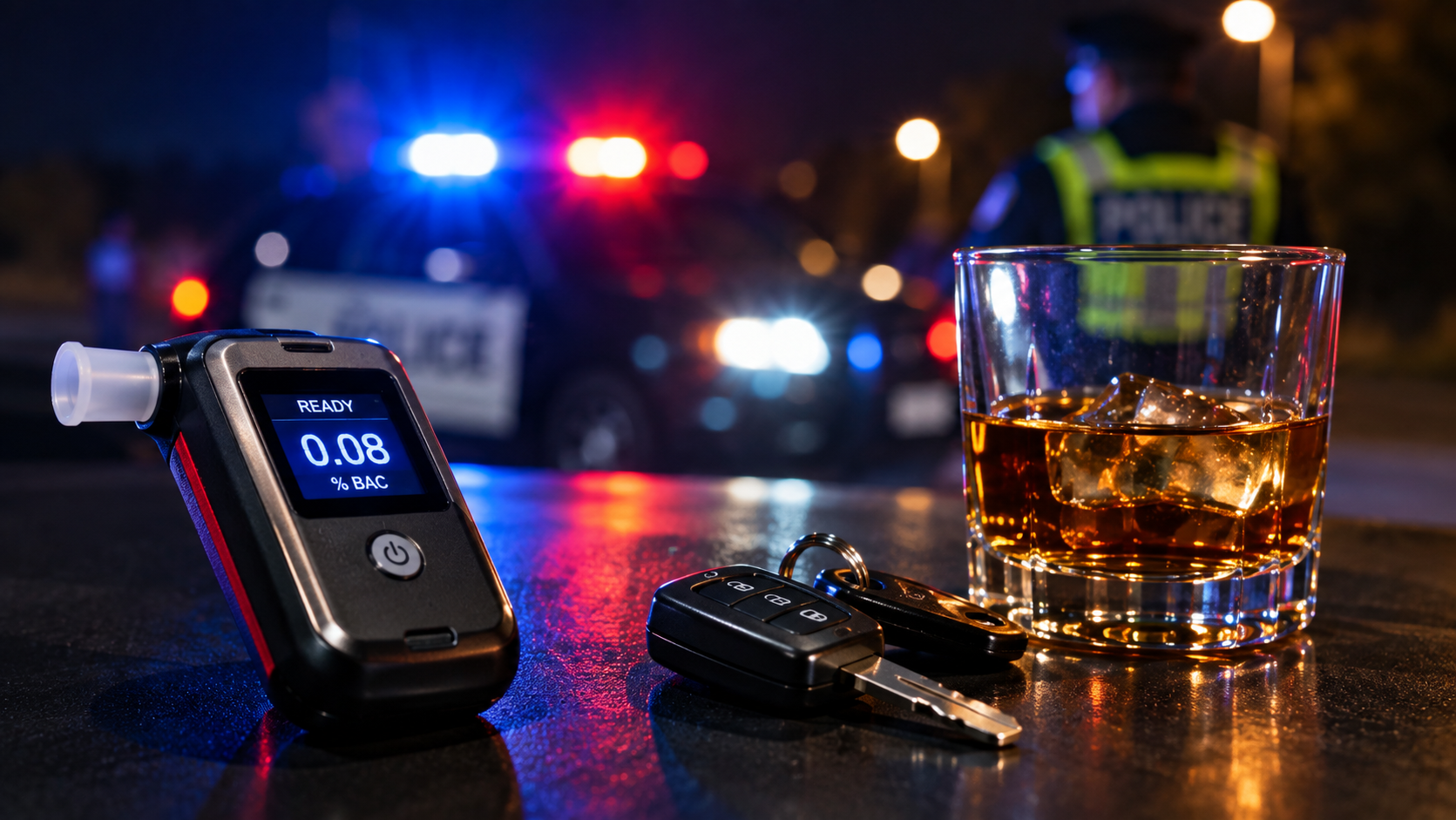
Impaired Driving Lawyer Serving Peel York Toronto and the GTA
An impaired-driving charge may allege impairment by alcohol, a drug, or a combination of substances. These cases can turn on driving evidence, police observations, scientific testing, lawful demands, timing, and whether the evidence proves impairment to the required legal standard.
In Canada, "DUI" is a common search term, but the Criminal Code generally speaks of impaired operation and related offences. A person may be charged where alcohol, a drug, or a combination is alleged to have impaired their ability to operate a conveyance to any degree; where a prohibited blood-alcohol or blood-drug concentration is alleged within the statutory period; or where the person is accused of failing or refusing to comply with a lawful demand. A charge is not a conviction, and the Crown must prove every required element beyond a reasonable doubt.
Gill Defence Law can review the traffic stop, detention, roadside screening, breath or blood demands, testing procedure, officer observations, video, maintenance and calibration records, timing evidence, and access to counsel. The defence may also examine whether the police had the legal grounds required for each investigative step, whether Charter rights were respected, whether disclosure is complete, and whether the scientific evidence is reliable. The appropriate strategy depends on the evidence; no defence or outcome can be promised before the file is reviewed.
After release, read every document carefully, follow all conditions, and confirm both the criminal court date and any separate driver-licence consequences. Do not drive while suspended or prohibited. Preserve receipts, messages, dash-camera footage, location history, witness information, medication details, and a private chronology for your lawyer.
Avoid posting about the incident or discussing the facts with anyone other than legal counsel.
How Gill Defence Law Can Help
Gill Defence Law can explain the allegation and procedure, obtain and organize disclosure, review the evidence, identify factual and legal issues, address urgent conditions and deadlines, communicate with the prosecution where appropriate, and prepare for applications, resolution discussions, hearings, or trial. The strategy depends on the evidence and applicable law; no result can be promised before the file is reviewed.
Common Issues and Evidence Reviewed
- Impaired operation by alcohol, drugs, or a combination
- Blood-alcohol concentration at or above the Criminal Code threshold
- Drug-concentration allegations and drug-recognition evidence
- Failure or refusal to comply with a lawful demand
- Operation, identity, and whether the accused was in care or control
- Charter issues involving detention, search, counsel, and exclusion of evidence
- Separate Ontario administrative suspensions, vehicle impoundment, reinstatement, insurance, and ignition-interlock consequences
Alcohol Drug and Combined Impairment Allegations
Impaired-operation cases may involve alcohol, cannabis, prescription medication, illegal drugs, or a combination. Depending on the allegation, evidence may include Standardized Field Sobriety Testing, a drug-recognition evaluation, oral-fluid or blood analysis, witness observations, driving pattern, and video.
Medication Medical Conditions and Testing Evidence
Medication or a medical condition does not automatically answer the charge, but it may be relevant to symptoms, testing, ability to provide a sample, or the reliability of an inference. Preserve prescriptions, pharmacy records, medical information, receipts, and a private chronology for counsel.
Reviewing the Stop Detention and Right to Counsel
Counsel may examine whether police had lawful grounds for the stop, detention, screening, arrest, and each demand; whether the right to counsel was implemented without unreasonable delay; and whether evidence was obtained in a manner consistent with the Charter.
What to Do Now
Protect your safety, attend court as directed, and follow every release, licence, contact, residence, weapons, device, or reporting condition exactly. If a condition is unclear or unworkable, obtain legal advice before acting.
Why Choose Gill Defence Law
The firm uses a focused and personal approach. Clients receive direct explanations of the allegation and options, a careful review of the available evidence, practical advice about immediate obligations, and prepared representation suited to the stage of the case.
- Direct communication and clear explanations
- Detailed review of disclosure and missing evidence
- Attention to release terms, deadlines, court dates, and evidence preservation
- Preparation for negotiations, applications, hearings, and trials where required
- Advice that considers both the court case and important personal or professional consequences
Areas Served
Representation is available for impaired-driving matters arising in Brampton, Mississauga, Caledon, Toronto, Etobicoke, North York, Scarborough, Vaughan, Newmarket, Aurora, Richmond Hill, Markham, Milton, Oakville, Burlington, and nearby communities where the firm can accept the matter.
Contact Gill Defence Law
If you are facing impaired driving allegations, call Gill Defence Law at +1 416-779-7500 to discuss the charge, your documents, the available evidence, and the next court date. Early advice can help preserve evidence, prevent avoidable breaches, and identify issues requiring immediate attention.