Drug Possession
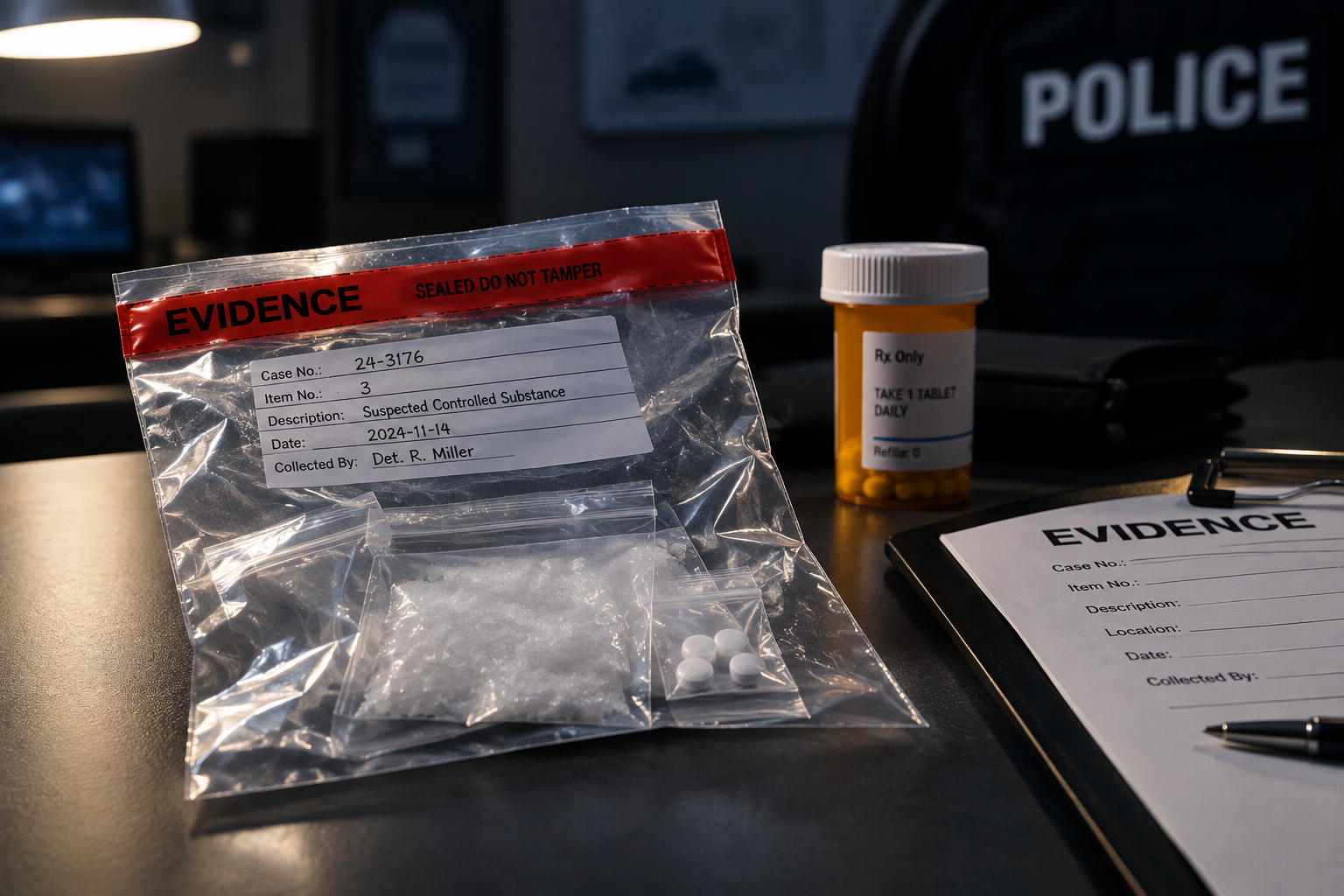
Drug Possession Lawyer Serving Vaughan, York Region, Toronto and the GTA
A drug-possession allegation can arise from a search of a person, vehicle, home, shared space, luggage, or electronic evidence. The Crown ordinarily must prove the nature of the substance and that the accused knowingly possessed or controlled it.
Simple possession allegations generally arise under the Controlled Drugs and Substances Act, which prohibits unauthorized possession of substances listed in Schedules I, II, or III. The Crown ordinarily must prove the nature of the substance, that the accused knew of it, and that the accused had the required control over it. Possession may be alleged as personal, joint, or constructive; being near a substance is not necessarily the same as legally possessing it.
Gill Defence Law can review the basis for the search, warrant materials, officer notes, surveillance, laboratory certificates, continuity of exhibits, statements, fingerprints or DNA, and the circumstances said to connect the accused to the substance. Issues may include unlawful detention or search, lack of knowledge or control, identification, admissibility of statements, proof of the substance, and whether the facts support possession rather than a more serious trafficking allegation. Do not consent to additional searches or provide explanations without obtaining legal advice, while remaining calm and physically cooperative.
Preserve prescriptions, pharmacy records, travel or tenancy documents, and information about who had access to the place where the substance was found. Follow release conditions, especially any terms concerning drugs, residences, phones, associates, or reporting.
How Gill Defence Law Can Help
Gill Defence Law can explain the allegation and procedure, obtain and organize disclosure, review the evidence, identify factual and legal issues, address urgent conditions and deadlines, communicate with the prosecution where appropriate, and prepare for applications, resolution discussions, hearings, or trial. The strategy depends on the evidence and applicable law; no result can be promised before the file is reviewed.
Common Issues and Evidence Reviewed
- Actual, joint, and constructive possession
- Knowledge, consent, and control
- Search warrants, warrantless searches, detention, and Charter remedies
- Laboratory identification, quantity, packaging, and continuity
- Statements and phone or digital evidence
- Diversion, treatment, sentencing, and collateral consequences where legally available
Actual Joint and Constructive Possession
Possession may be alleged as personal, joint, or constructive. Proximity alone is not necessarily legal possession. Access, knowledge, control, statements, fingerprints or DNA, communications, tenancy, vehicle use, and the conduct of other occupants may matter.
Search Warrants Vehicle Searches and Charter Issues
Counsel can review warrant materials, officer grounds, detention, search scope, timing, seizure, continuity, statements, and phone or digital evidence. If a constitutional breach occurred, the defence may seek an appropriate remedy under the Charter.
Possession Versus Trafficking Allegations
Police or prosecutors may consider quantity, packaging, scales, cash, communications, expert opinion, and other evidence. Simple possession and possession for the purpose of trafficking are distinct allegations, and the evidence must support the particular charge.
What to Do Now
Protect your safety, attend court as directed, and follow every release, licence, contact, residence, weapons, device, or reporting condition exactly. If a condition is unclear or unworkable, obtain legal advice before acting.
Why Choose Gill Defence Law
The firm uses a focused and personal approach. Clients receive direct explanations of the allegation and options, a careful review of the available evidence, practical advice about immediate obligations, and prepared representation suited to the stage of the case.
- Direct communication and clear explanations
- Detailed review of disclosure and missing evidence
- Attention to release terms, deadlines, court dates, and evidence preservation
- Preparation for negotiations, applications, hearings, and trials where required
- Advice that considers both the court case and important personal or professional consequences
Areas Served
Drug-possession defence services are available in Vaughan, Woodbridge, Newmarket, Richmond Hill, Markham, Aurora, Toronto, North York, Scarborough, Brampton, Mississauga, Caledon, and surrounding GTA communities.
Contact Gill Defence Law
If you are facing drug possession allegations, call Gill Defence Law at +1 416-779-7500 to discuss the charge, your documents, the available evidence, and the next court date. Early advice can help preserve evidence, prevent avoidable breaches, and identify issues requiring immediate attention.